THE MARINER PROJECT
When the Law
Hasn't Caught Up
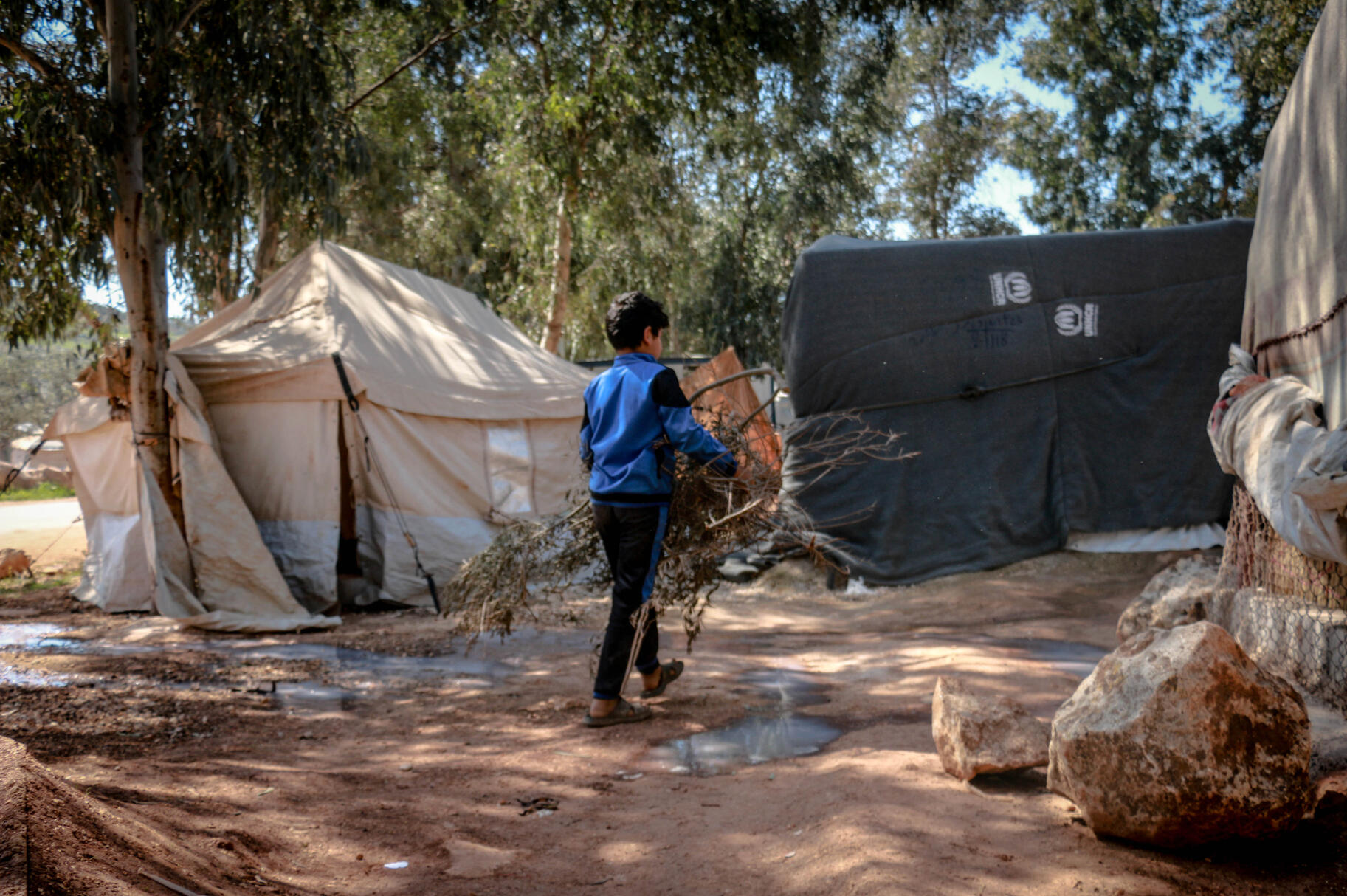
Since 2016, 250 million people worldwide have been displaced within their home countries by weather-related disasters.
Rising seas, collapsing harvests, and extreme weather events... International law rarely has a category for them. Where do they go? What next?This website records how courts worldwide are being asked to answer questions that legislatures won't. This tracker follows the building litigation in this field, case by case, argument by argument.
Cases Collected

Legal Frameworks
Insights Analysis

Methodology

About Us
Why does litigation matter?
It's tempting to dismiss climate displacement litigation as more politically symbolic than directly tied to humanitarian causes. They can seem to just be lost cases, court arguments, and pessimistic thresholds -- but this perspective view misunderstands how law evolves.
Every case that is heard establishes that court courts consider climate displacement as a cognizable legal issue. Each piece of litigation calls more academic and social attention to this field. The Teitiota decision (2016), for instance, denied protection to its applicant, but stated for the first time at the UN level that returning someone to a country where climate conditions create an imminent threat to life could violate the right to life under the ICCPR. This statement is now cited in every subsequent case, building the foundation for future development.
This is how international law progresses, crisscrossing between litigation and reality events. Analyzing the outcomes and legal reasonings carefully, we can track future patterns and make further developments.
Contact Us
A tracker record and analysis platform of climate displacement litigation, built for researchers and advocates working at the intersection of climate science and international human rights law. For more information, or to get in touch, please visit the About Us section.Updated weekly | PST | 2026
Get in touch. Your attention and suggestions are the heart of this project. Thank you!
All analytical notes are original. Case data sourced from primary decisions published online.